EMPOWERING WOMEN'S COFFEE HARVESTING GROUPS IN UTILIZING COFFEE SKIN WASTE INTO PRODUCTS WITH ECONOMIC VALUE IN BENER MERIAH REGENCY
Published:
2025-12-28Downloads
Abstract
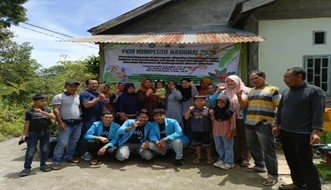
Currently, most coffee processing is limited to the use of coffee beans. Coffee waste production accounts for approximately 72% of the weight of the fresh fruit and has not been optimally utilised. In Bener Meriah Regency, women engage in harvesting activities as a means of generating income for their families. With the formation of this group, it is hoped that this group of women harvesters will not only carry out harvesting activities but can utilize unused coffee skin waste and can be used to create items of high economic value. This community service activity will be carried out in Kenine Village, Timang Gajah District, Bener Meriah Regency. The target output to be achieved is increasing partner awareness to become entrepreneurs and have the skills to produce products such as tea, fertiliser and fish pellets from coffee skin waste.
Keywords:
Coffee Skin Women Coffee IncomeReferences
Hartatri, D. F. S., & Sulaiman, F. (2018). Peran Koperasi dalam Pemasaran Kopi Gayo.
Ma’alhunah, F., & Hendrawan, A. (2019). Pengolahan Limbah Kulit Kopi Arabica Sebagai Pewarna Alam Pada Produk Fesyen. E-Proceeding of Art & Design, 2135.
Pusdatin Kementan. (2023). Buku Outlook Komoditas Perkebunan Kopi (1st ed.). Kementrian pertanian.
License
Copyright (c) 2025 Faoeza Hafiz Saragih, Risky Ridha, Siti Komariyah

This work is licensed under a Creative Commons Attribution-ShareAlike 4.0 International License.
Downloads
How to Cite