COMMUNITY EMPOWERMENT IN IMPLEMENTING THE PERMATA POMAA STUNTING HANDLING MODEL BASED ON DIGITAL EDUCATION AND GITOK
Published:
2026-01-05Downloads
Abstract
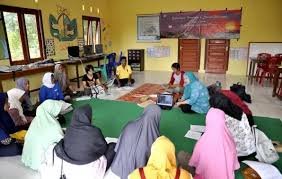
The Community Empowerment Program in the Implementation of the Permata Pomaa Stunting Handling Model based on Digital Education and the Development of GITOK (Hydroponic Technology Nutrition) was carried out in Simpang Lhee Village, West Langsa District, where the target partners involved in this activity were the target partners of the Non-Productive community group, namely Posyandu cadres and the target partners of the Productive community group, namely the Awaina UMKM This village was recorded as having 341 families at risk of stunting caused by the community's low understanding of nutrition, the habit of giving low-nutrition foods such as instant noodles and used cooking oil, and economic factors that limit access to healthy food. Irregular children's eating patterns and the habit of letting children have difficulty eating without solutions have worsened this situation, as well as the weak economy of the community in the village, where Simpang Lhee Village, West Langsa District is also included in the area with the extreme poverty line. Awaina UMKM has been involved in the production of shrimp paste, salted fish. However, so far the production produced by Awaina UMKM is very limited and its marketing is only in the local area of Langsa City. As a solution, this program presents a technological and empowering approach to Stunting Management PERMATA POMAA based on Digital Education through the development of the PERMATA POMAA & GITOK digital education application. This application provides information regarding the Supplementary Food Menu for children, how to regulate diets, baby massage and Tuina massage to increase appetite. In addition, the program also encourages the use of home gardens as hydroponic-based nutritional gardens to provide affordable and independent healthy food ingredients. The program implementation includes stages of socialization, training, technology application, mentoring, and periodic evaluation.
Keywords:
Permata Pomaa Education Digital Gitok StuntingReferences
Anshar, M., Nasution, S., Harahap, A. T., Hanum, A., & Aqsho, M. (2021). Pelatihan Peracikan Kopi Bagi Wirausahawan Muda Di Asosiasi Dan Industri Kopi Indonesia Cabang Sumatera Utara. Reswara : Jurnal Pengabdian Kepada Masyarakat, 2(1). https://jurnal.dharmawangsa.ac.id/index.php/reswara/article/view/664/pdf
Marbun, S. F., Lie, D., Butarbutar, M., & Nainggolan, L. E. (2019). Pengaruh Pelatihan Dan Penempatan Pegawai Terhadap Kinerja Pegawai Pada Badan Kepegawaian Daerah Kota Pematangsiantar. JMaker: Jurnal Manajemen, 7(1), 34–45. https://doi.org/10.1017/CBO9781107415324.004
Nainggolan, N. T., Lie, D., Nainggolan, L. E., Silitonga, H. P., & Siregar, R. T. (2023). Improving The Performance of MSMEs Affected by The Covid-19 Pandemic in Terms of Aspects of Marketing Strategies Mediated by Technology. Indonesian Interdisciplinary Journal of Sharia Economics (IIJSE), 6(1), 183–196.
Sasa, S., Sapto Adi, D., Triono, M. A., & Supanto, F. (2021). Optimalisasi Usaha Kecil Menengah melalui Pelatihan Digital Marketing. Abdimas: Jurnal Pengabdian Masyarakat Universitas Merdeka Malang, 6(3), 358–371. https://doi.org/10.26905/abdimas.v6i3.5366
Suswanto, P., & Setiawati, S. D. (2020). Strategi Komunikasi Pemasaran Shopee Dalam Membangun Positioning Di Tengah Pandemi Covid-19 Di Indonesia. Linimasa: Jurnal Ilmu Komunikasi, 3(2), 16–29.
Winarto, W. W. A. (2020). Peran Fintech dalam Usaha Mikro Kecil dan Menengah (UMKM). Jesya (Jurnal Ekonomi & Ekonomi Syariah), 3(1), 61–73. https://doi.org/10.36778/jesya.v3i1.132
Yuliana, R. R. D. (2018). Sinergi Lembaga Teknologi Finansial dan Koperasi dalam Pemanfaatan Teknologi Finansial oleh Usaha Mikro, Kecil, dan Menengah di NTB. Jurnal Ekonomi Dan Pembangunan, 27(1), 53–65. https://doi.org/10.14203/JEP.27.1.2019.53-66
License
Copyright (c) 2026 Husna Maulida, Eka Utaminigsih, Ismuhadi, Eka Sutrisna, Fitri Hijri Khana, Rizky Mauliza, Muhammad Kahfi Aulia

This work is licensed under a Creative Commons Attribution-ShareAlike 4.0 International License.
Downloads
How to Cite